Social value has always been central to how we run Ave. For us, being a good business means thinking beyond the work we deliver and considering the wider impact of how we operate. Who we employ, where we spend our money, what opportunities we create and how we contribute to our community.


Share this post
In September, we began working with Design Futures, a programme connecting emerging graphic designers with creative businesses across London. It is designed to give people practical experience, professional support and a meaningful route into an industry that can be difficult to enter without the right connections or financial safety net.
As part of the programme, we are setting the group a live Ave brief. They will work through a real creative challenge with support from people working in the industry, gaining experience of the thinking, collaboration and decision-making behind professional design.
Following the initial programme, one participant will join Ave for a paid studio internship. They will become part of our team, contribute to live projects and receive regular guidance, feedback and mentoring from experienced designers.

Talent is everywhere. Opportunity is not.
Creative careers have never followed one simple route. People arrive through university, college, vocational training, career changes, self-directed learning and many other paths. That variety should make our industry stronger.
Yet getting the first meaningful opportunity can be extraordinarily difficult. Entry-level roles often ask for previous industry experience, while gaining that experience can depend on being able to work for little or no pay. Informal recruitment and personal networks can make the industry even harder to navigate for people without existing connections.
The result is that talent alone does not determine who gets through the door.
Research into the UK’s creative workforce continues to show a significant class imbalance. The Social Mobility Commission has reported that 52% of people working in the creative industries come from higher socio-economic backgrounds, compared with 27% from working-class backgrounds (Social Mobility Commission). Research from the Creative Industries Policy and Evidence Centre has also found that people from working-class backgrounds remain particularly underrepresented across arts, culture and heritage (Creative PEC).
This matters because the people who enter and progress through our industry shape the ideas it produces. If creative businesses recruit from a narrow range of backgrounds, experiences and perspectives, the work will inevitably be narrower too.
Experience should not depend on being able to work for free
A paid internship is not simply a financial detail. It determines who can realistically take part.
Unpaid and poorly paid opportunities exclude people who cannot rely on family support, savings or a second job. This is particularly significant in London, where the everyday costs of travel, food and housing make working without a proper wage impossible for many people.
Our Design Futures intern will therefore be employed and paid the London Living Wage throughout their placement. They will receive the same consideration as any other member of our team, including a proper induction, agreed working hours, access to the equipment and software they need, reasonable adjustments and paid holiday entitlement.
They will also have a named supervisor and mentor, regular opportunities for feedback and support with their wider career development. That might include reviewing their portfolio and CV, preparing for interviews or understanding how to approach future roles.
If an internship provides value to a business, the person doing it should be paid fairly. It is as simple as that.
More than a line on a CV
Good internships should not be built around observation or leftover tasks. They should give people a genuine understanding of the work and the confidence to take their next step.
Our intern will contribute to live projects for charities, NHS organisations, public-sector bodies and other purpose-led clients. Depending on the work taking place during their time with us, this could include brand identities, campaigns, reports, websites, social content, presentations, illustration or animation.
They will see how a project moves from an initial enquiry and proposal through research, strategy, creative development, client feedback and production. They will take part in team discussions, present ideas in a supportive environment and learn how accessibility and inclusion influence our creative decisions.
Just as importantly, they will experience the everyday reality of studio life: asking questions, managing time, receiving feedback, explaining creative choices and learning when an idea needs to be pushed further.
The aim is not for someone to leave knowing everything. It is for them to leave with stronger work, greater confidence, useful professional relationships and a clearer sense of where they might go next.
What social value looks like in a small business
Small businesses may not have the resources of large organisations, but that does not mean our contribution has to be small.
Since Ave began in 2013, we have tried to make deliberate choices about the kind of business we want to build. Becoming a certified B Corp has strengthened that commitment, but it did not create it. We reinvest part of our profits into subsidised and pro bono work, internships, staff development and volunteering. We pay the London Living Wage, provide paid opportunities and make accessibility and inclusion part of how we work.
None of these actions will transform the creative industries on their own. But social value is created through the accumulation of practical decisions, paying someone properly, sharing knowledge, giving useful feedback, widening a recruitment route or making space for a person who has not yet had the chance to prove what they can do.
Design Futures is an opportunity for us to make one of those decisions tangible. We are looking forward to seeing how the group responds to our live brief, welcoming our intern into the studio and learning from the ideas and perspectives they bring with them.
Creating a fairer route into design is good for emerging talent. It is also good for studios, good for clients and good for the future of our industry.
For us, taking part in Design Futures is not simply about creating one internship. It is about playing our part in making the creative industry fairer, more representative and more open to people with different experiences and routes into design. We hope more studios will consider what they can offer, because when businesses invest properly in emerging talent, the whole industry benefits.
Share this post
You may also find these things interesting
-

Macmillan
Brining a series of fundraising products for Macmillan Cancer Support to life.
-

Doctors with Africa CUAMM
Repositioning Doctors with Africa CUAMM for Anglophone audiences around partnership, credibility and long-term impact
-
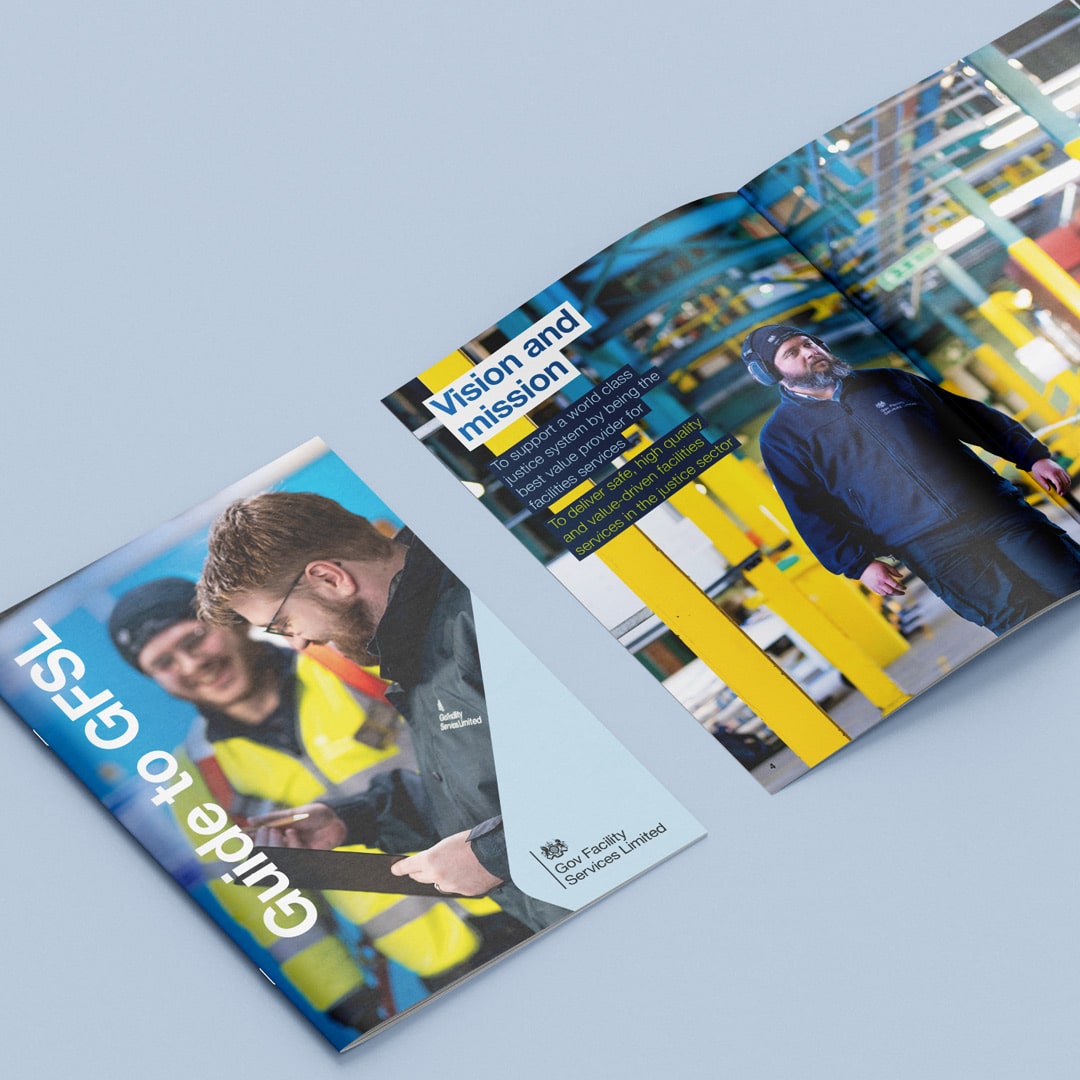
Gov Facility Services Limited (GFSL)
Five years of campaigns and corporate documents for the team keeping prisons across the South of England running.
-
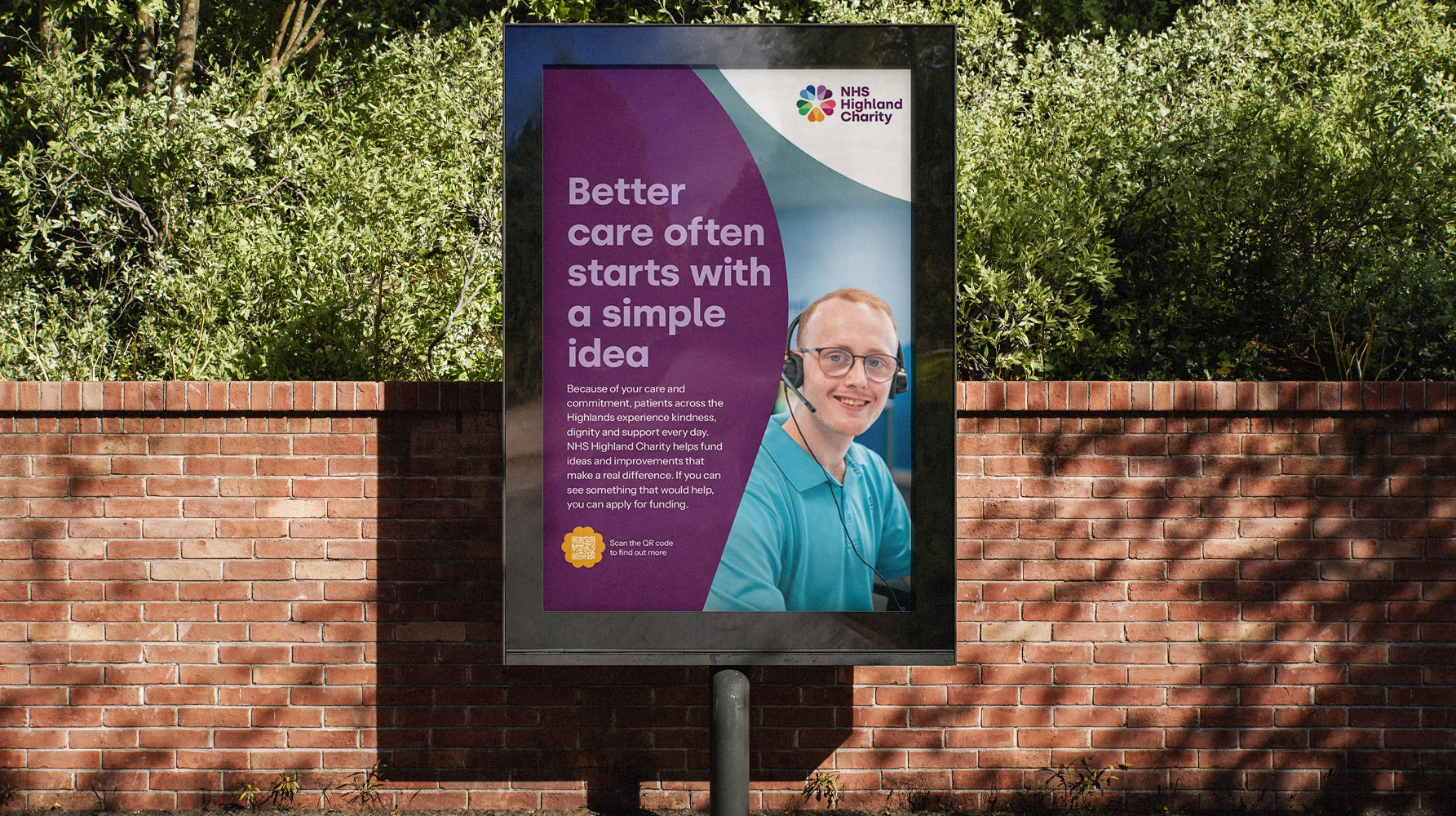
NHS Highland Charity
Transforming Highland Health Board Endowment Fund into NHS Highland Charity, building a clearer charity brand to strengthen local support for health and care


